
When your roof shows signs of wear, damage, or age, getting a professional roofing estimate becomes crucial for protecting your home and investment. Many Tennessee homeowners feel overwhelmed by the estimate process. They’re unsure what to expect or how to evaluate proposals.
Understanding what goes into a roofing estimate can mean the difference between a successful project and a costly mistake. Whether you’re dealing with storm damage in Nashville, planning a replacement in Mt. Juliet, or addressing repairs in Murfreesboro, knowing what to expect helps you make informed decisions.
At Austermiller Roofing, we’ve served Middle Tennessee homeowners for over 30 years. We’ve seen how proper education about the estimation process leads to better outcomes for everyone involved. This comprehensive guide walks you through every aspect of the roofing estimate process, ensuring you’re prepared to make the best decision for your home and budget.
Understanding the Roofing Estimate Process
A roofing estimate is far more than just a price quote. It’s a comprehensive assessment of your roof’s condition, the scope of work required, and a detailed breakdown of materials, labor, and associated costs. The process typically begins with an initial consultation, followed by a thorough inspection, and concludes with a written proposal.
The quality and thoroughness of your roofing estimate often reflect the professionalism and expertise of the contractor. A detailed estimate demonstrates that the contractor has carefully evaluated your specific situation. This attention to detail during the estimate phase usually translates to better workmanship and fewer surprises during the actual project.
Professional roofing contractors understand that homeowners need clear, comprehensive information to make informed decisions. A proper estimate should include pricing, explanations of work to be performed, materials to be used, project timeline, and warranty information. This transparency helps build trust and ensures both parties have clear expectations before work begins.
What Affects the Cost of Your Roofing Project?
Several key factors influence the final cost of your roofing project. Understanding these variables helps you better interpret your estimate.
Primary Cost Factors:
- Roof Size and Complexity – Measured in “squares” (100 square feet each), with complex designs requiring more labor
- Material Selection – From basic asphalt shingles to premium metal or tile options
- Geographic Location – Urban markets like Nashville typically command higher rates than rural areas
- Seasonal Demand – Peak seasons (spring/fall) may see higher prices due to increased demand
- Current Roof Condition – Extensive damage or structural issues increase project scope significantly
The complexity of your roof design significantly impacts both material costs and labor expenses. Simple gable roofs with minimal features are generally less expensive to work on than complex roofs with multiple valleys, dormers, chimneys, and varying pitch angles. Each architectural feature requires additional time, skill, and materials to properly waterproof and finish.
Market conditions also affect roofing costs. Following major storms, increased demand for roofing services can drive up prices temporarily. Similarly, peak roofing season typically sees higher prices due to increased demand, while winter months might offer more competitive pricing as contractors seek to maintain steady work schedules.
Roof Condition and Project Scope Assessment
The current condition of your roof is perhaps the most critical factor in determining both the scope of work and the final cost of your project. During the estimate process, experienced contractors conduct a thorough inspection to assess not only the visible surface materials but also the underlying structure, ventilation systems, and related components.
Surface damage assessment begins with examining the roofing material itself. For asphalt shingle roofs, contractors look for missing, cracked, or curling shingles, granule loss, and signs of aging. Metal roofs are inspected for rust, loose fasteners, and panel damage. Tile roofs require examination for cracked or broken tiles and mortar deterioration.
Structural evaluation goes beyond the surface to examine the roof deck, rafters, and support systems. Water damage, sagging, or deterioration in these structural components can significantly increase project costs as they require additional repair or replacement work. A thorough contractor will identify these issues during the estimate phase rather than discovering them after work has begun.
The scope of work determination depends heavily on the condition assessment results. Minor repairs might involve replacing a few damaged shingles and sealing small leaks. Moderate projects could include partial roof replacement or significant repair work. Major projects typically involve complete roof replacement, including potential structural repairs, ventilation improvements, and related work on gutters, flashing, and other components.
Roofing Materials: Types, Quality, and Cost Implications
The choice of roofing materials represents one of the most significant cost variables in your project. Understanding your options helps you make informed decisions that balance performance, aesthetics, and budget considerations.
Popular Roofing Material Options:
- Asphalt Shingles – Most affordable option, lasting 15-30 years depending on grade
- Metal Roofing – Higher initial cost but 40-70 year lifespan with minimal maintenance
- Tile Roofing – Excellent durability (50-100 years) but requires adequate structural support
- Specialty Materials – Slate, wood shakes, and synthetic alternatives for unique aesthetics
Asphalt shingles remain the most popular roofing material in Tennessee due to their affordability, versatility, and adequate performance in our climate. Three-tab shingles represent the most economical option, typically lasting 15-20 years with proper installation and maintenance. Architectural shingles offer improved durability and aesthetics, with lifespans of 20-30 years and better wind resistance.
Metal roofing has gained popularity in Tennessee due to its exceptional durability, energy efficiency, and storm resistance. Standing seam metal roofs offer the longest lifespan, often 40-70 years, with minimal maintenance requirements. While metal roofing requires a higher initial investment, the long-term value proposition is often favorable due to reduced maintenance costs and potential energy savings.
Material quality within each category varies significantly and directly impacts both performance and cost. Higher-grade materials typically offer better warranties, improved weather resistance, and longer lifespans. However, the most expensive option isn’t always the best choice for every situation.
The Step-by-Step Roofing Estimate Process
Understanding the typical estimate process helps homeowners know what to expect and evaluate contractor professionalism. A comprehensive estimate process involves several phases, each designed to gather specific information and provide accurate pricing.
Initial consultation represents the first step. Professional contractors ask preliminary questions about your roofing concerns, roof age, known issues, and project timeline. This conversation helps contractors prepare for the inspection.
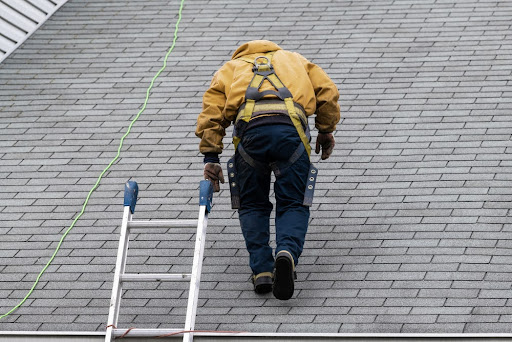
On-site inspection is the most critical phase. Experienced contractors examine your roof from multiple angles, including ground-level observation and full roof access to assess conditions. This inspection includes examining roofing material, flashing, gutters, and ventilation systems.
Putting the proposal together typically takes several days as contractors calculate material costs, labor requirements, permit fees, and other expenses. With these proposals, professional contractors provide written estimates with detailed cost breakdowns, project timelines, material specifications, and warranty information, as we’ll get into next.
Essential Components of a Comprehensive Roofing Estimate
A thorough roofing estimate should include specific components that demonstrate the contractor’s professionalism and provide you with the information needed to make informed decisions. Understanding what should be included helps you evaluate different proposals and identify contractors who provide comprehensive, transparent pricing.
Key Roofing Estimate Components:
- Detailed Material Specifications – Specific manufacturer names, product lines, colors, and grade levels
- Labor Cost Breakdown – Separation of different work types like tear-off, installation, and cleanup
- Permit and Disposal Fees – Clear identification of all regulatory and waste removal costs
- Timeline and Scheduling – Realistic project completion estimates with weather contingencies
- Comprehensive Warranty Information – Both material and workmanship coverage details
Material specifications should be detailed and specific, including manufacturer names, product lines, colors, and grade levels. Generic descriptions like “architectural shingles” aren’t sufficient; you should see specific products like “GAF Timberline HD Shingles in Charcoal” or similar detailed specifications. This specificity ensures you understand exactly what materials will be used and can compare proposals accurately.
Timeline and scheduling information helps you plan for the disruption and ensures realistic expectations about project completion. Weather delays, material delivery schedules, and crew availability all affect project timelines. Professional contractors provide realistic schedules and explain factors that might cause delays.
Warranty information should be clearly explained, including both material warranties from manufacturers and workmanship warranties from the contractor. Understanding what’s covered, for how long, and what actions might void warranties is essential for protecting your investment.
Questions to Ask Your Roofing Contractor
Asking the right questions during the estimate process helps you evaluate contractors and ensures you have all the needed information. These questions demonstrate your knowledge and often result in more detailed estimates.
Licensing and insurance verification are fundamental. Ask to see current licenses, insurance certificates, and bonding information. Verify coverage amounts are adequate and policies are current. Verification is crucial because working with uninsured contractors can leave you liable for accidents.
Experience questions help you understand whether the contractor has relevant expertise for your project. Ask about experience with your roof type and material preferences. Contractors who specialize in your type of work often provide better results.
Change order policies should be discussed upfront to avoid surprises. Ask how the contractor handles unexpected discoveries like structural damage. Understanding the process for additional work helps prevent disputes and budget overruns.
Red Flags to Avoid in Roofing Estimates
Recognizing warning signs during the estimate process can help you avoid contractors who may provide poor workmanship, use substandard materials, or engage in unethical business practices. Being aware of these red flags protects both your investment and your peace of mind.
Door-to-door solicitation, especially following storms, often comes from contractors who aren’t established in your area and may not be available for warranty service or problem resolution. While not all door-to-door contractors are problematic, this approach is often used by less reputable companies seeking quick sales rather than long-term customer relationships.
Pressure tactics and limited-time offers are classic signs of contractors who prioritize sales over service. Legitimate roofing work rarely requires immediate decisions, and professional contractors understand that homeowners need time to evaluate proposals and make informed choices. Be wary of contractors who demand immediate signatures or claim special pricing is only available “today.”
Significantly low estimates compared to other proposals often indicate corners will be cut somewhere in the project. While competitive pricing is normal, estimates that are dramatically lower than others may reflect the use of substandard materials, inadequate labor allocation, or hidden costs that will emerge later in the project.
Working with Insurance Claims
Many roofing projects in Tennessee result from storm damage. Understanding how insurance claims work helps ensure you receive fair compensation for covered damage.
Insurance claim initiation begins with documenting damage and contacting your insurance company. Taking photographs of visible damage and keeping records of emergency repairs helps support your claim. Having a professional contractor inspect the damage and provide documentation supplements your claim.
Experienced contractors understand insurance processes and can provide estimates in formats that adjusters prefer, facilitating smoother claim resolution.
Making Your Final Decision
After receiving multiple estimates, making your final contractor selection requires balancing factors beyond just price. The lowest estimate isn’t always the best value. Consider the totality of each proposal and your interactions with each contractor.
Contractor communication during the estimate process often predicts how they’ll handle your project. Contractors who are responsive, thorough, and transparent typically provide better service throughout the project.
Value proposition evaluation involves comparing prices, materials, warranties, timelines, and service levels. A slightly higher estimate with better materials or longer warranties may provide better long-term value.
Trust and confidence in your chosen contractor are essential for a successful project. Roofing work involves significant investment and potential disruption. Choosing a contractor you trust helps ensure a positive experience and successful outcome.
Conclusion: Protecting Your Investment Through Informed Decisions
Understanding what to expect from a roofing estimate empowers you to make informed decisions that protect both your home and investment. The estimate process provides crucial information about your roof’s condition, available options, and associated costs.
At Austermiller Roofing, we believe educated customers make better decisions and achieve better outcomes. Our comprehensive estimate process provides you with all the information needed to make confident choices about your roofing project. With over 30 years of experience serving Middle Tennessee homeowners, we understand the unique challenges our local climate presents.
Whether you’re dealing with storm damage, planning a replacement, or addressing maintenance needs, the estimate process is your opportunity to gather information and select the contractor who best meets your needs. Take time to understand what you’re receiving and ask questions about anything unclear.
Your roof represents one of your home’s most important protective systems and a significant financial investment. By understanding the estimate process and making informed decisions, you can ensure your roofing project provides years of reliable protection and value.
If you’re ready to begin the estimate process for your Tennessee home, contact Austermiller Roofing today. Our experienced team will provide a comprehensive assessment and detailed estimate. Call us at (615) 553-2041 or visit our website to schedule your free consultation.
This article was written by the roofing experts at Austermiller Roofing, serving Middle Tennessee homeowners for over 30 years. For more information about our services or to schedule a free estimate, visit www.austermillerroofing.com or call (615) 553-2041.